"The women were so amazing at helping me choose a kimono and dressing me. I love that I had help with my hair. Will definitely do something like this again"
Asakusa · Dressing, Hair and Matcha Included
Kimono Rental Tokyo
Renting a kimono in Tokyo is not a day in a kimono. It is a fixed window that ends somewhere between 16:50 and 18:00 depending on which shop you booked, minus the 45 to 70 minutes it takes to dress you and set your hair. This is what each plan actually includes, and how to avoid paying for hours you never get outside.
From
$57
per person
Free cancellation
- 4.9 / 5 269+ Reviews
- 45–70 min To Dress and Style
- 16:50–18:00 Return Deadlines Vary
- Free Cancellation
The Experience
What This Plan Includes
Lifted from the operator's own listing rather than written by us — including the dressing time and the return deadline, which are the two numbers that decide how your afternoon goes.
Highlights
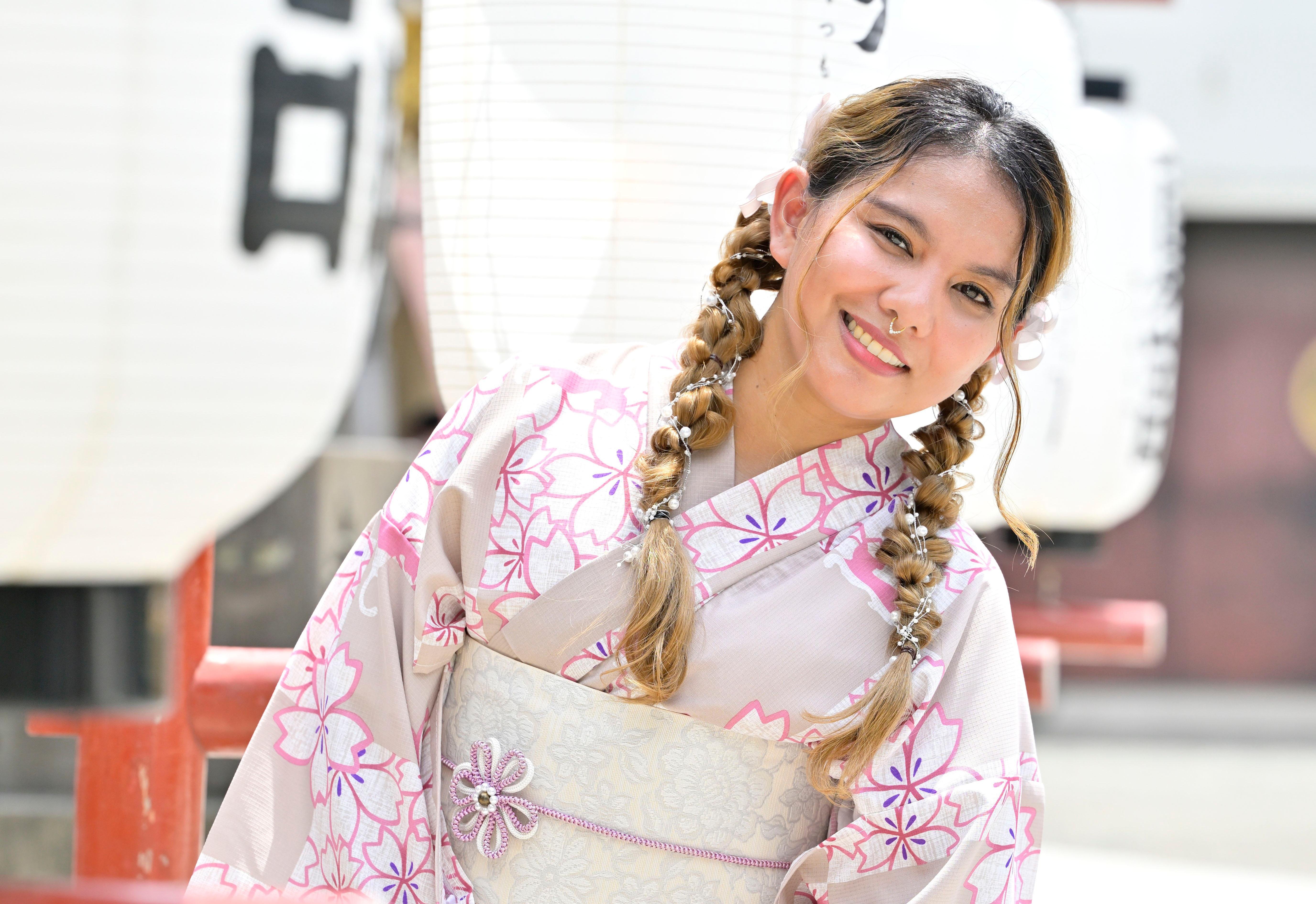
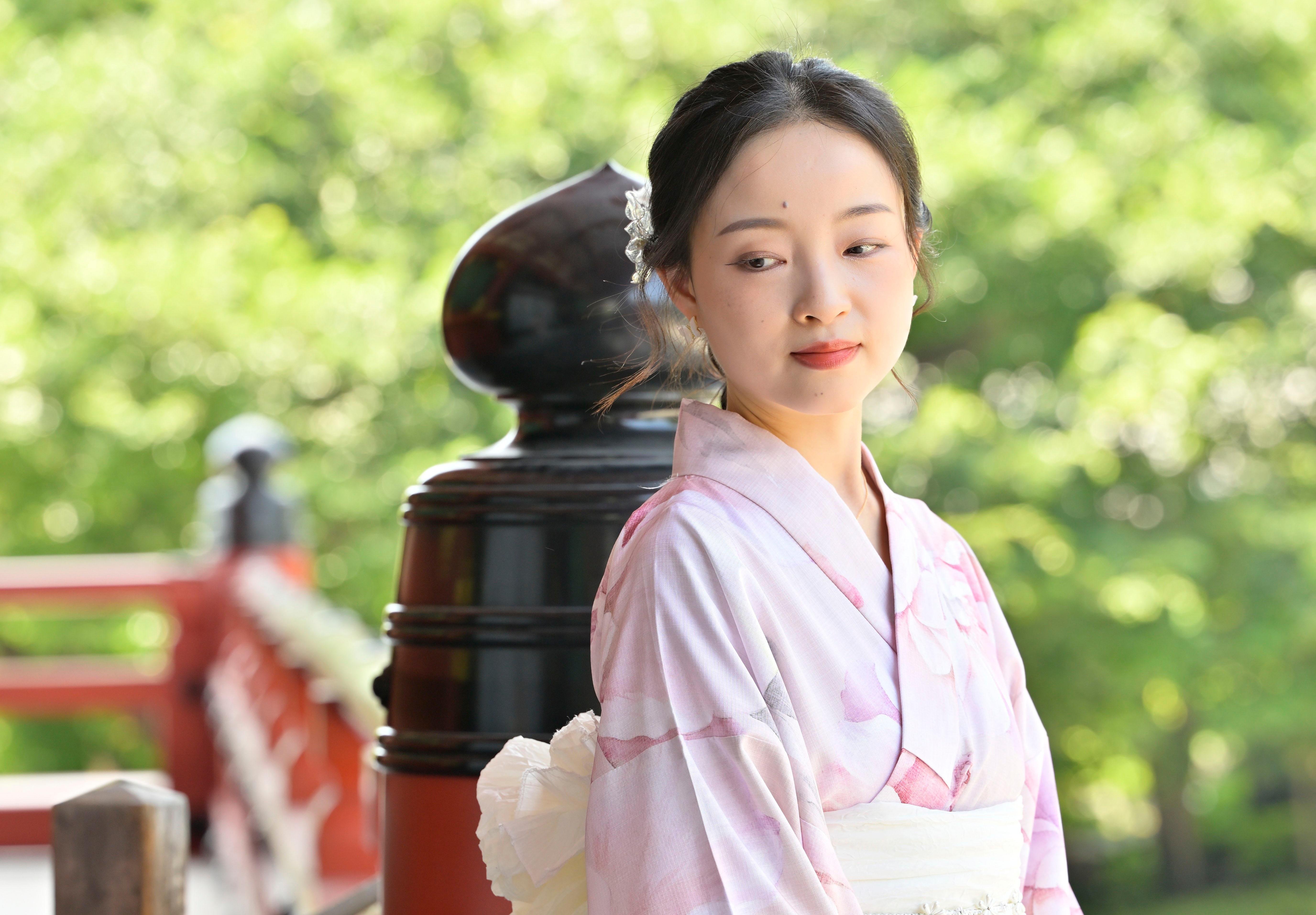
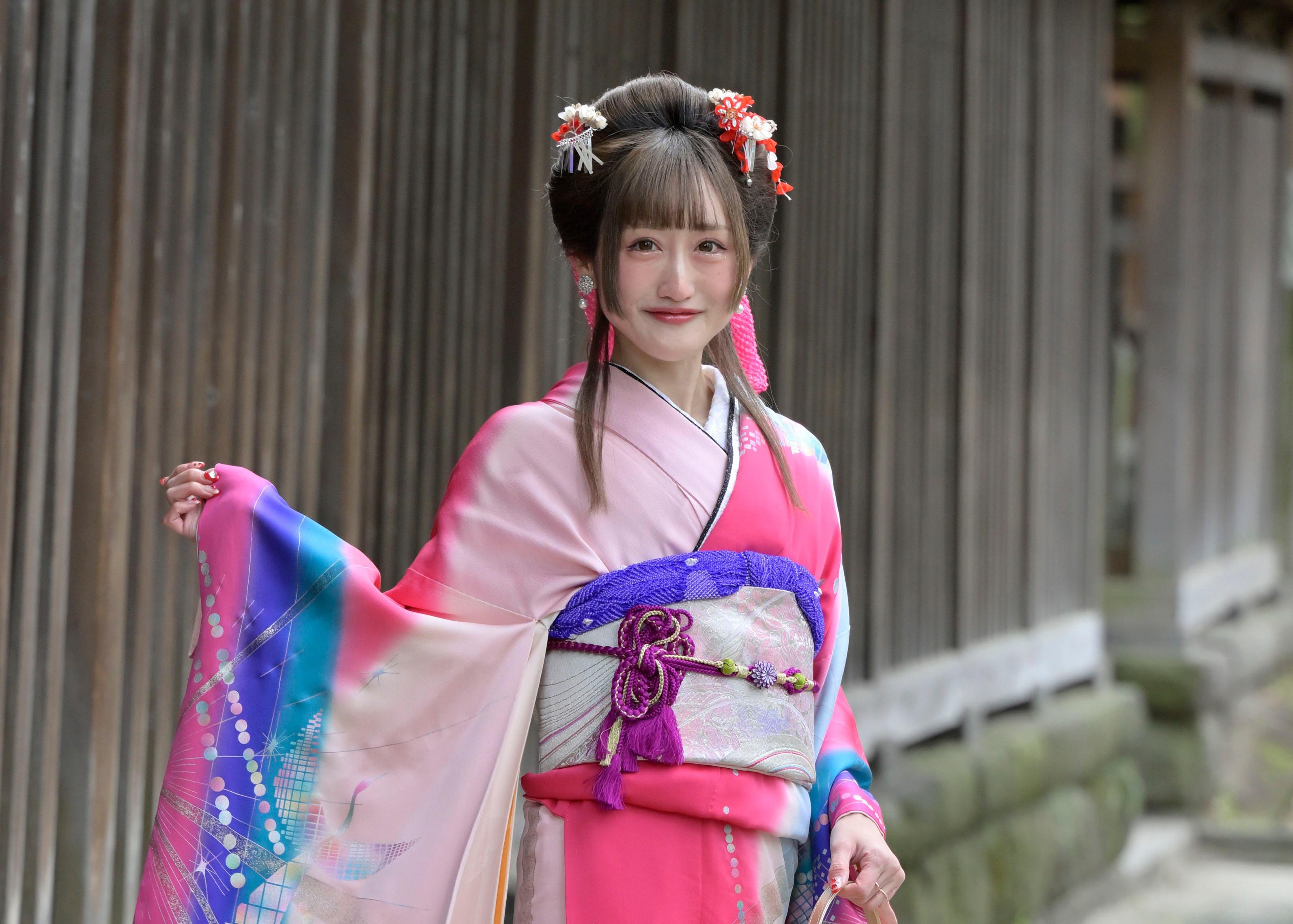
- Explore the beauty of Tokyo's Asakusa district dressed in a traditional kimono
- Choose from a variety of kimono and yukata and arrange a suitable hairstyle
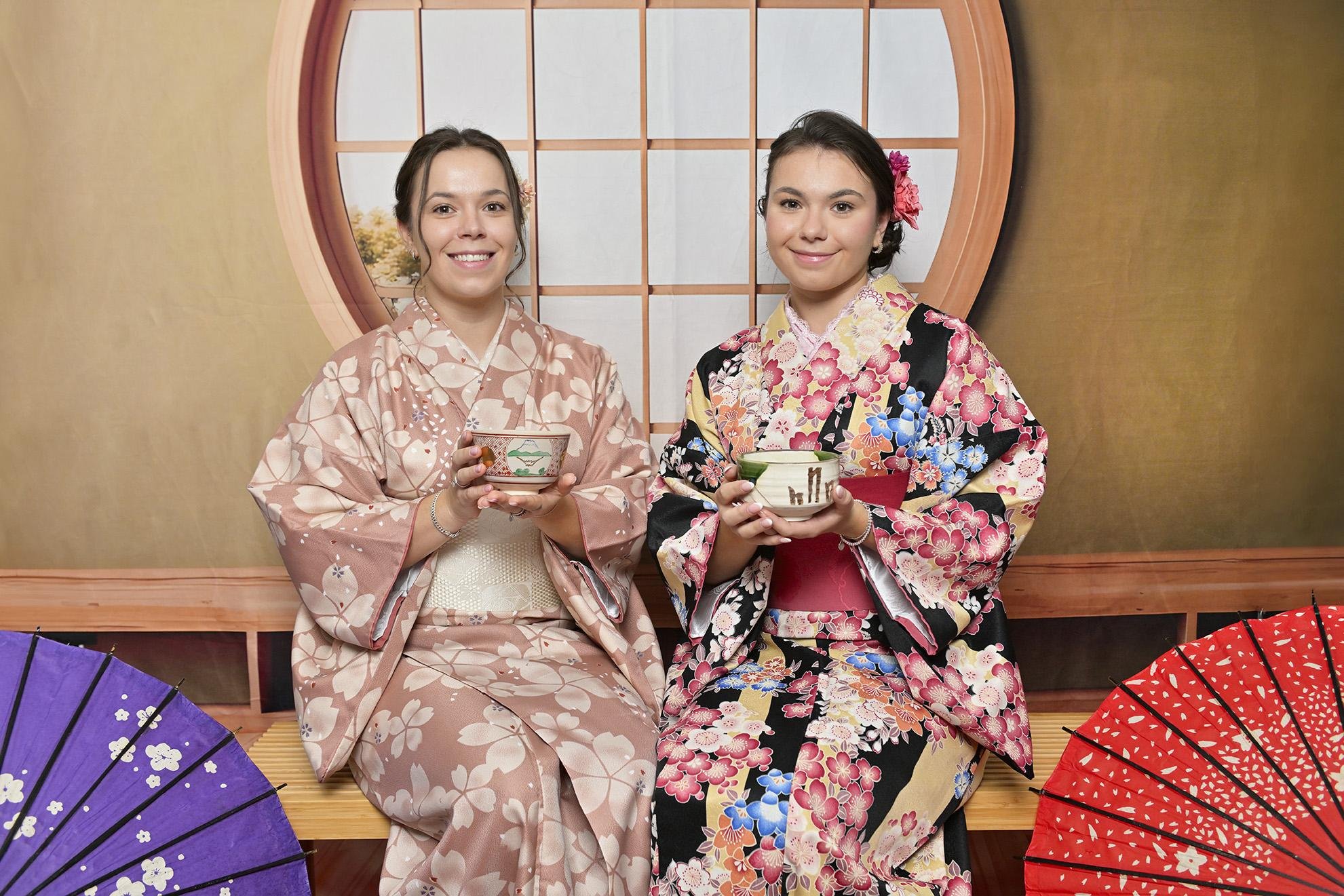
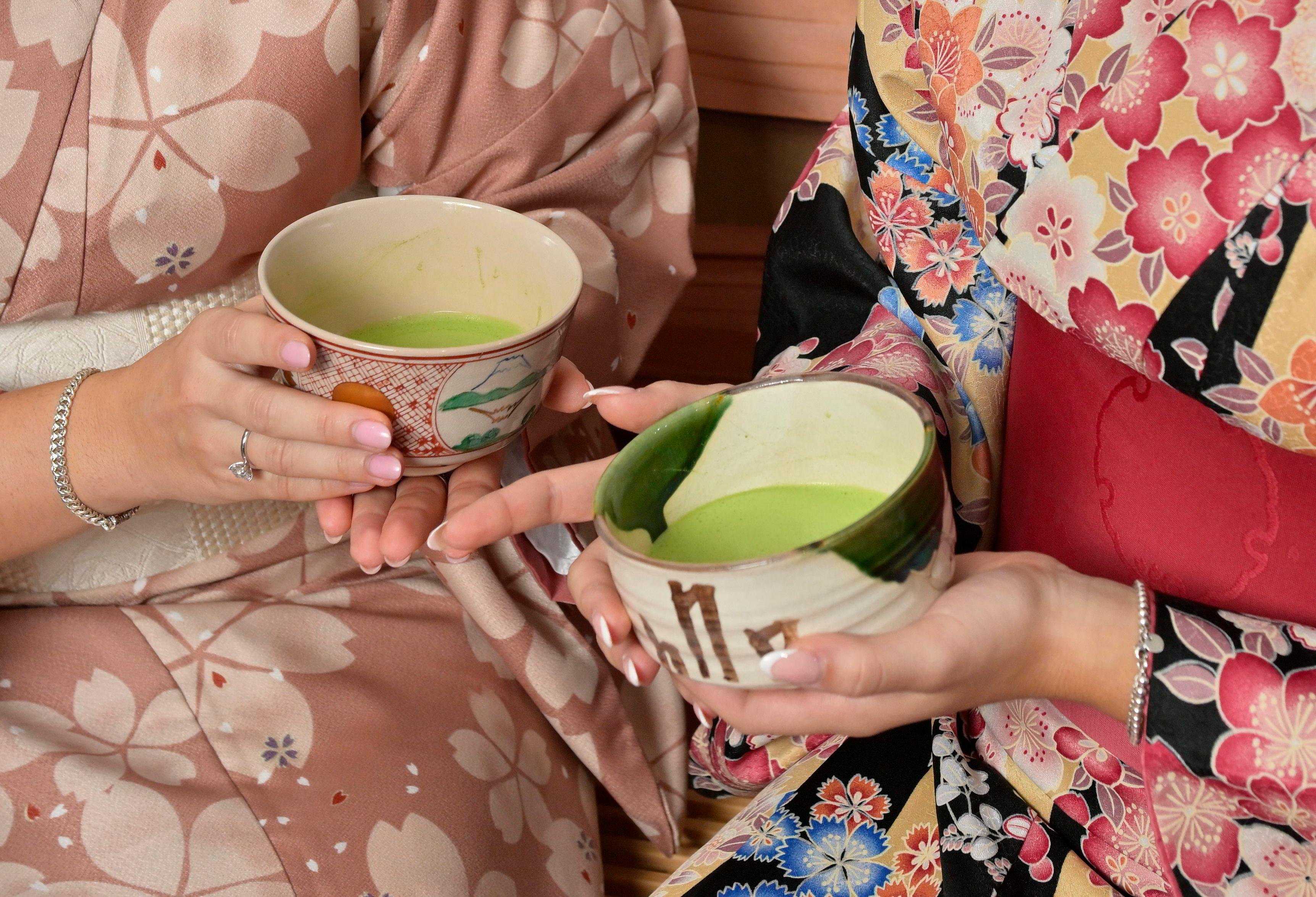
- Relish the taste of Japanese green tea Matcha with a lesson on how to drink it
- As an option, you can have a private photo shooting session
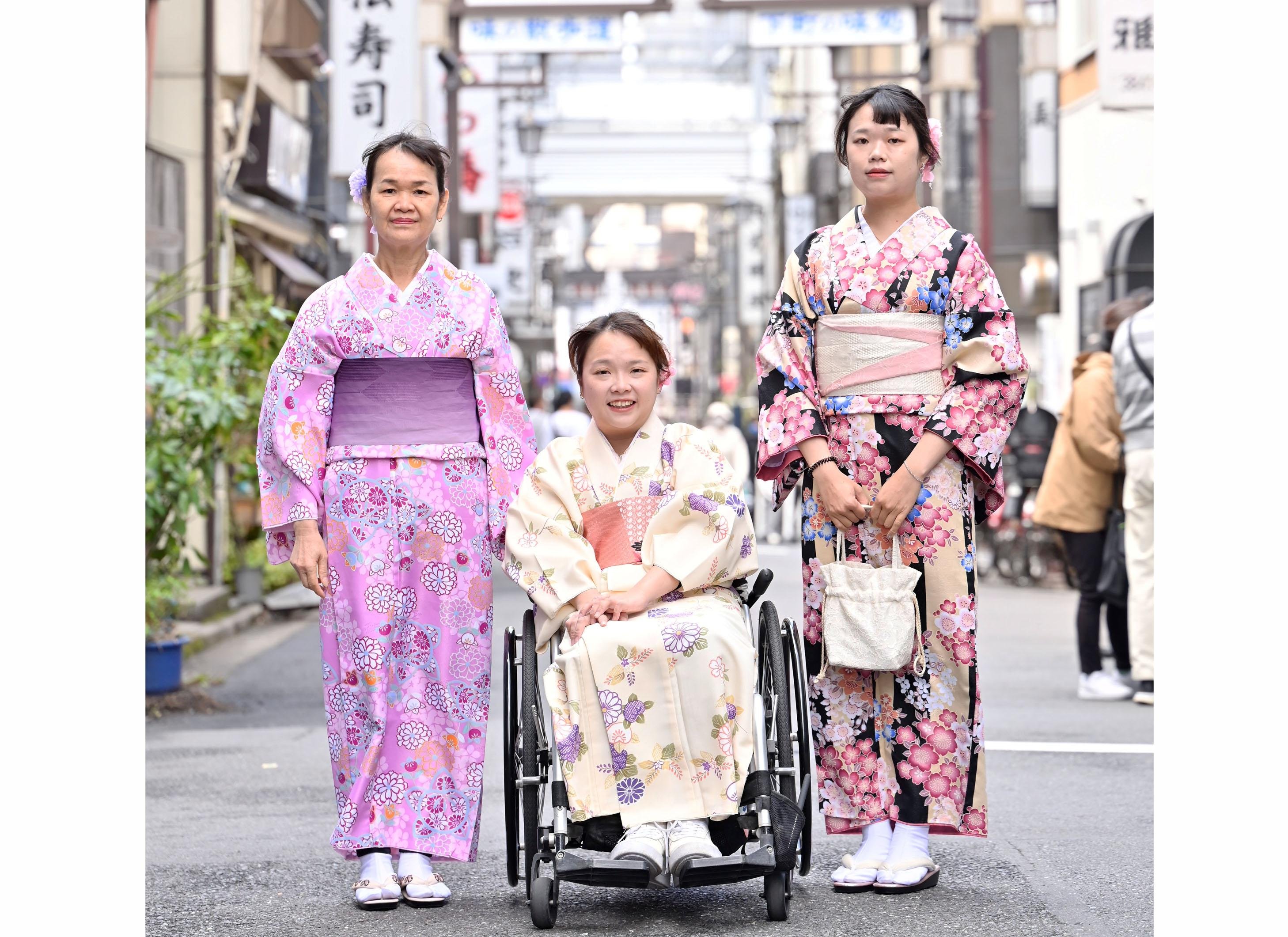
- Suitable for children and wheelchair users!
What's Included
- Kimono or yukata rental for adults and children
- Hairstyle and accessories (hair accessories, footwear, handbag)
- Matcha tea and sweets
Good to know: Our operation hours are from 9:30 am to 17:30 pm, so please return the kimono no later than 17:30 pm. · It usually takes 45 to 70 minutes to dress and arrange hair style. The Matcha tea experience takes 15 minutes. · Lace kimono, silk kimono, haori hakama and furisode are available at an extra cost. · Next day return service is available at an extra cost. · Not suitable for: Pregnant women · Not Included: Large luggage storage (available at an additional cost), Makeup, Tour guide, Next day return (available at an additional cost)
How a Kimono Rental Day Actually Runs
Four steps, one clock, and a decision about your booking time that most people make backwards.
Book the Morning, Not the Afternoon
Almost every shop has one fixed return deadline regardless of when you arrive — one states it plainly: whatever time you reserve, the final return is 17:30. Deadlines on this shelf run from 16:50 to 18:00. So a 13:00 booking does not buy you a later evening, it just buys you fewer hours. Some Asakusa shops run a two-tier system where arriving before noon means an earlier return, so confirm yours rather than assuming.
Budget 45 to 70 Minutes Before You Are Outside
Two operators here publish the same figure: 45 to 70 minutes from reception through dressing and hair styling to walking out of the door. A third quotes about 20 minutes for the dressing step by itself — the larger range covers the queue and choosing a garment too. Whichever you book, that hour comes out of your window, not out of the shop's.
Pick the Garment for the Month
A kimono is lined and worn year-round; a yukata is unlined, lighter and belongs to summer. Shops swap stock seasonally and most Asakusa shops offer yukata roughly June to September. Upgrades — lace, silk, haori hakama, furisode — cost extra almost everywhere, so the headline price is the plainest garment in the shop.
Walk the Back Streets, Not the Nakamise
The approach to Sensoji is the single most crowded stretch in Asakusa, and it is where most people spend their rented hour. The lanes immediately west and north of the temple are quieter, and they are where the photographs people actually keep get taken. If you booked a photo option, this is what you are paying the photographer to know.
Photo Gallery
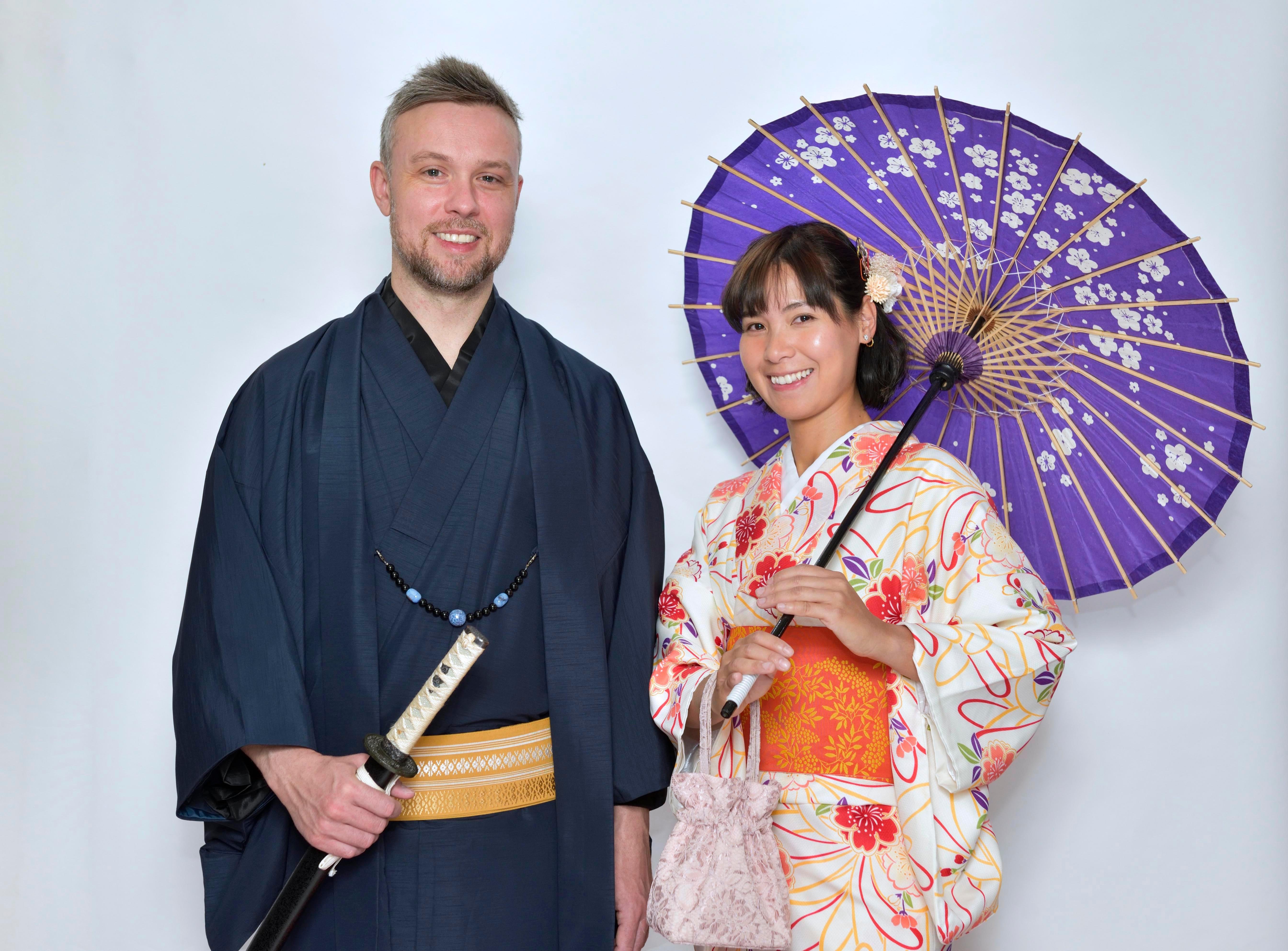
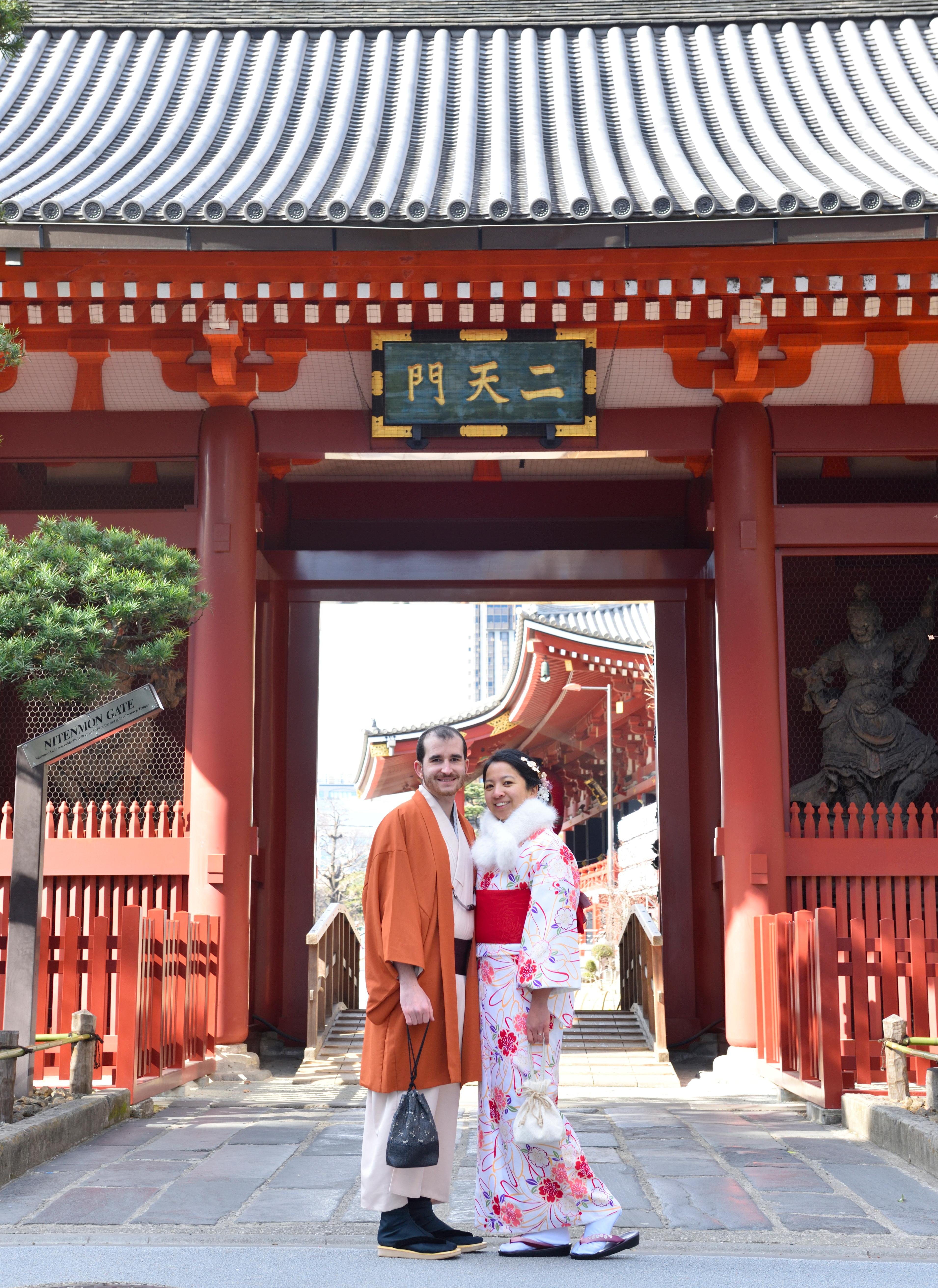
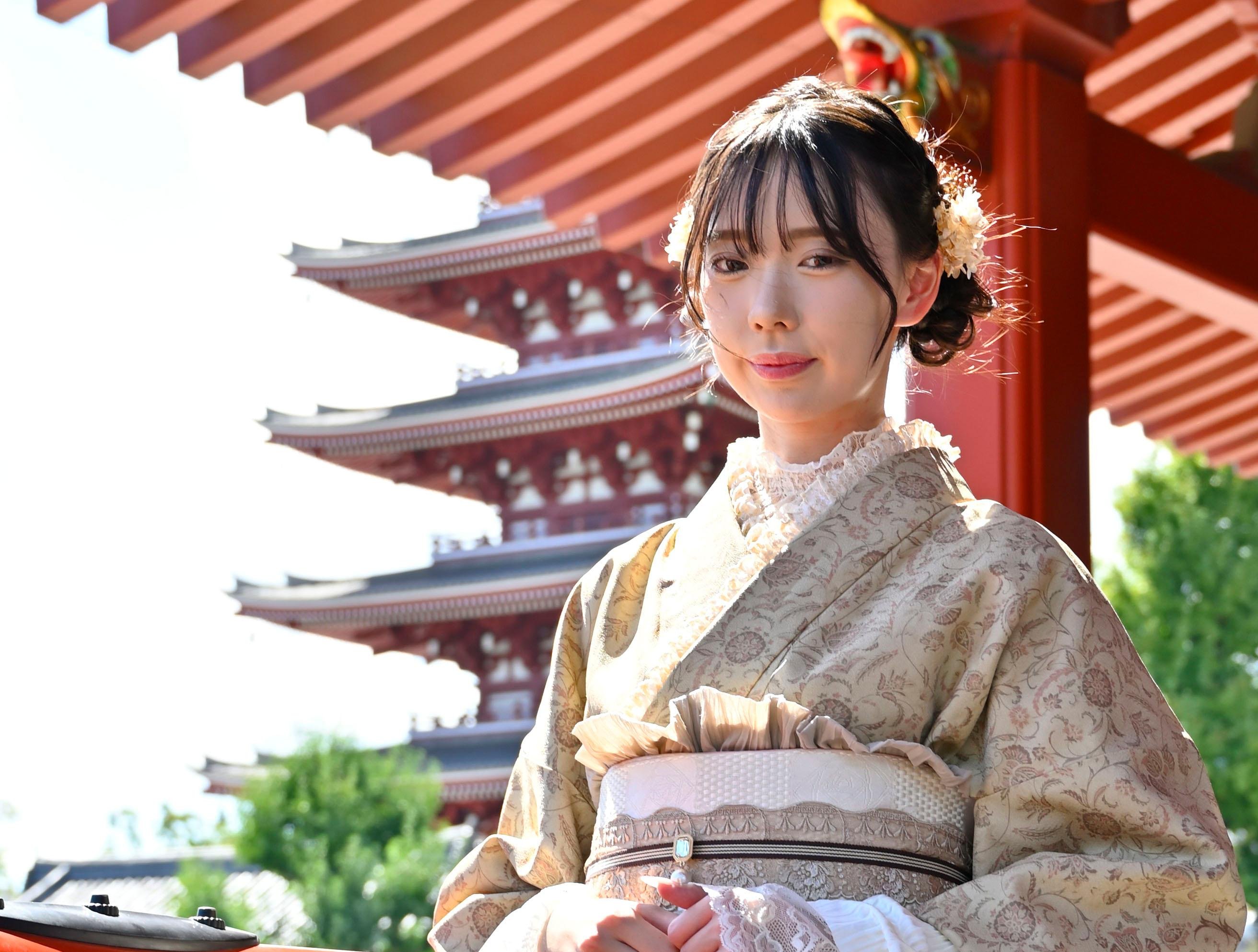
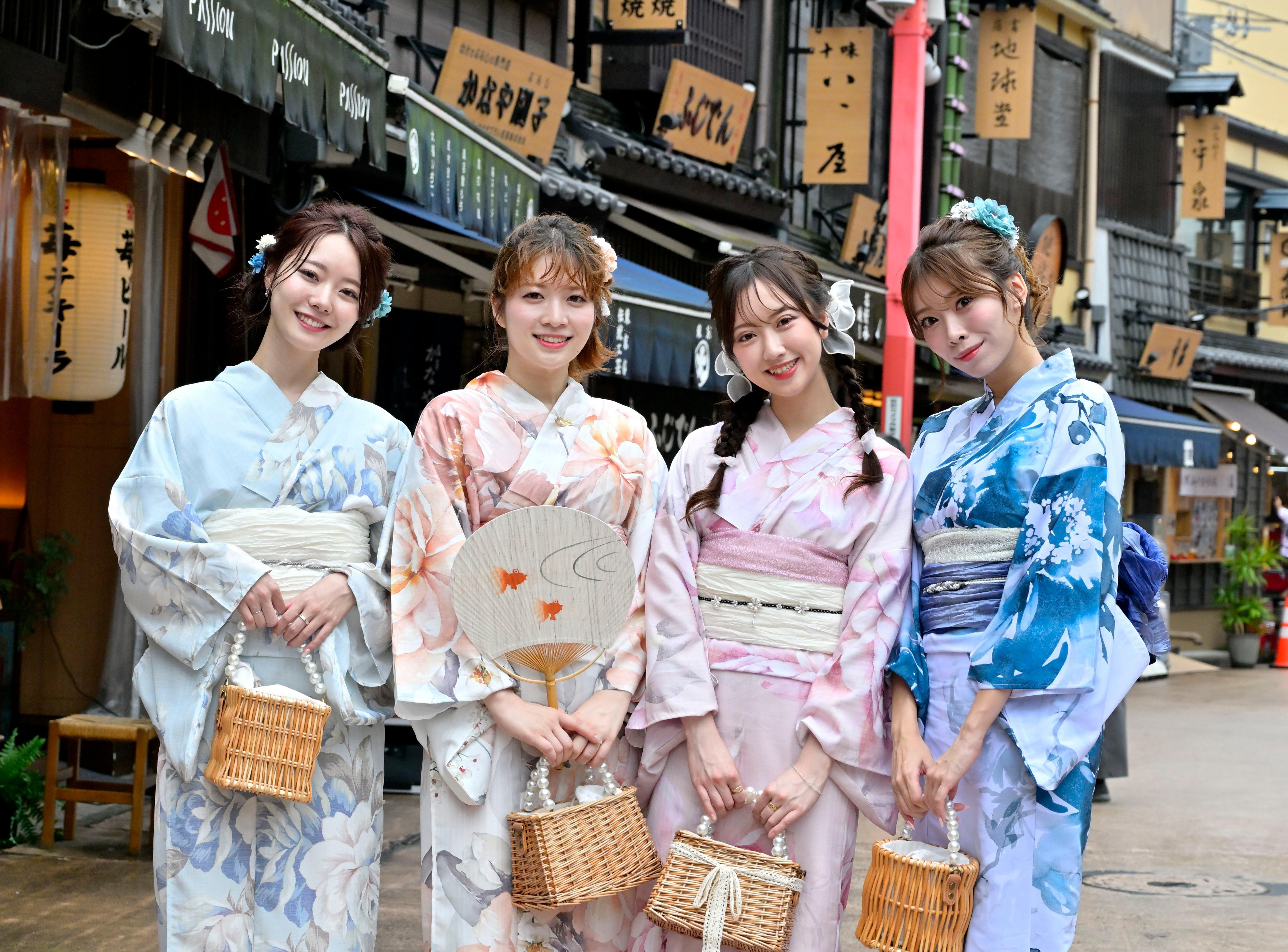
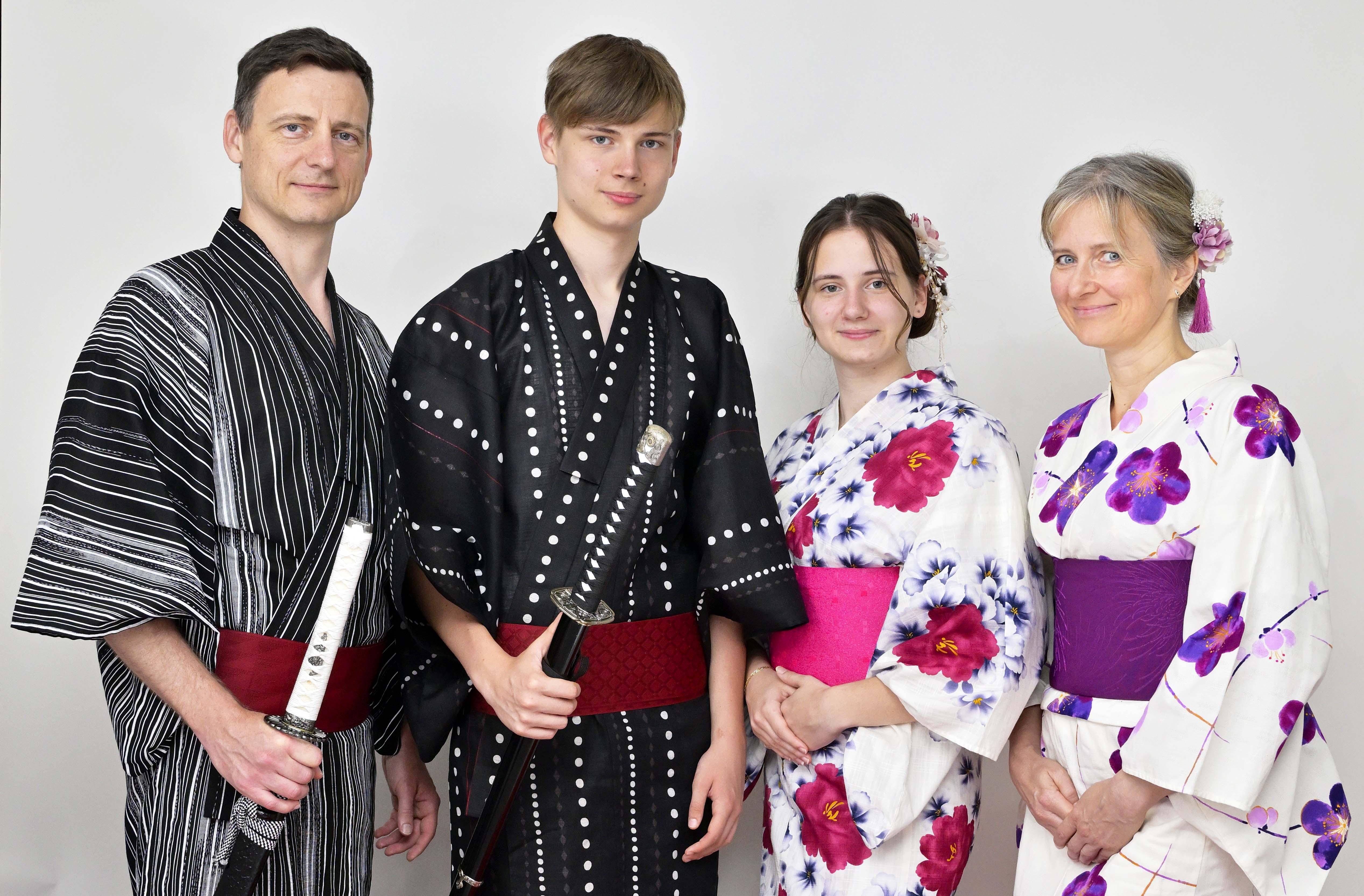
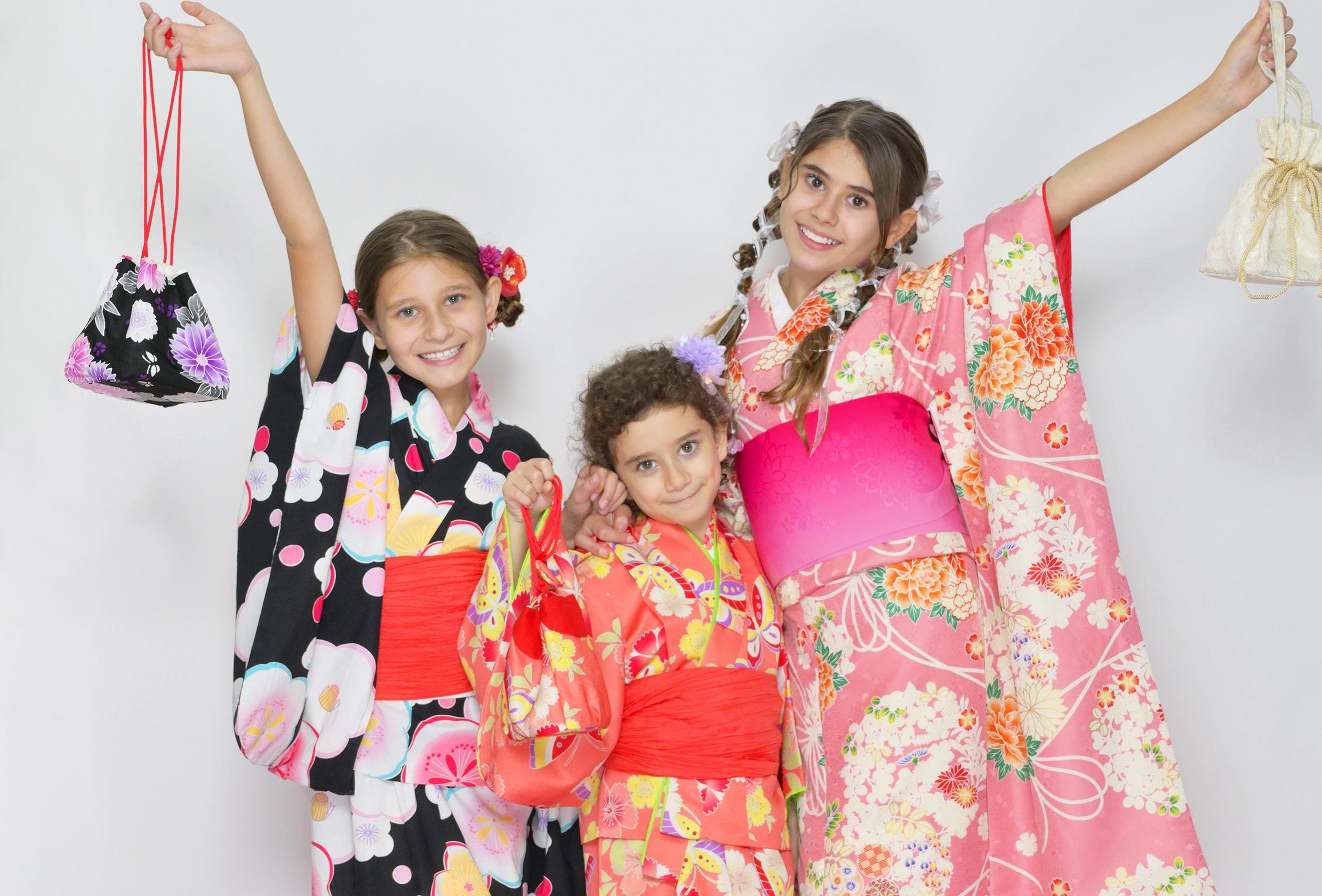
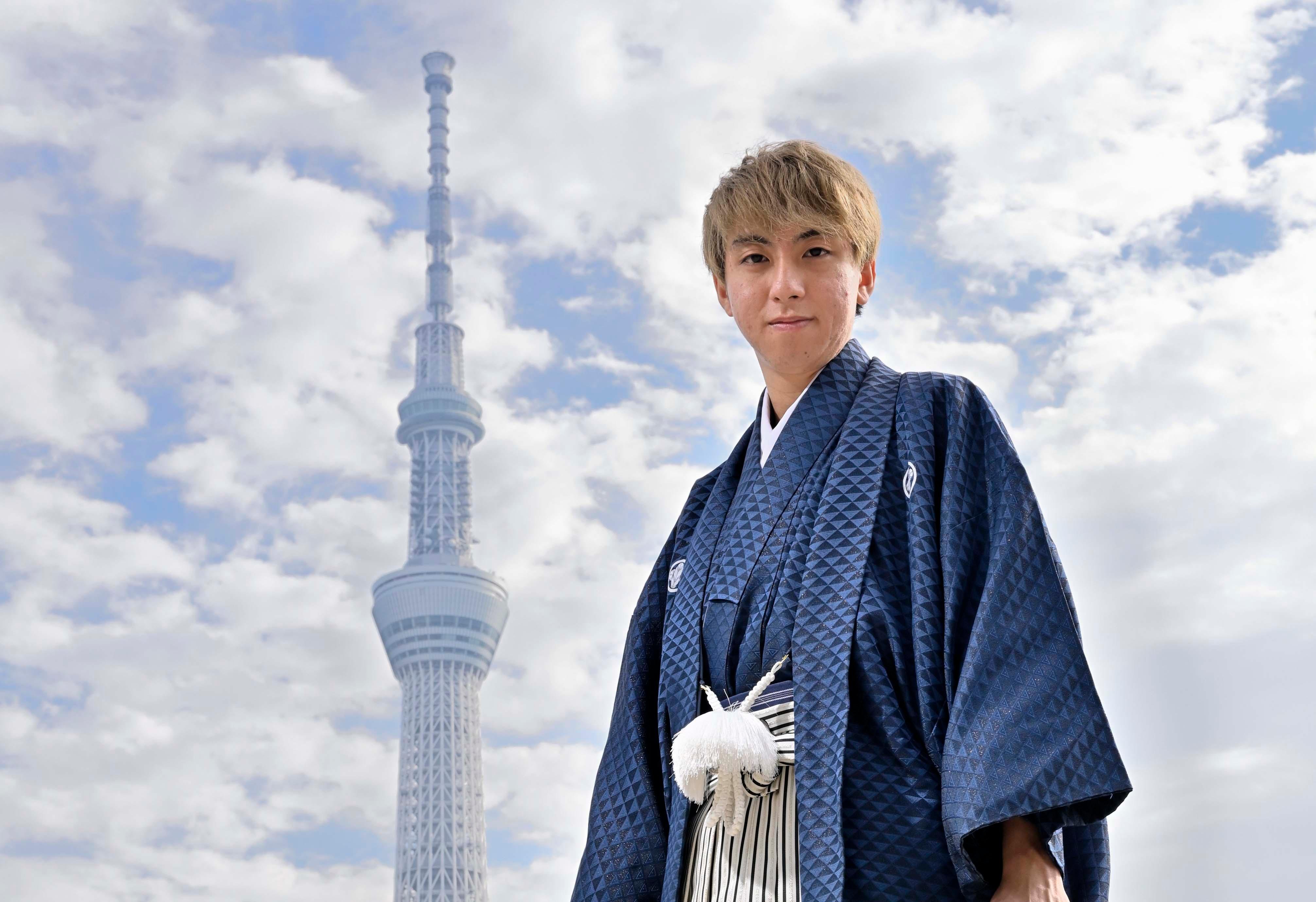
Kimono in Asakusa
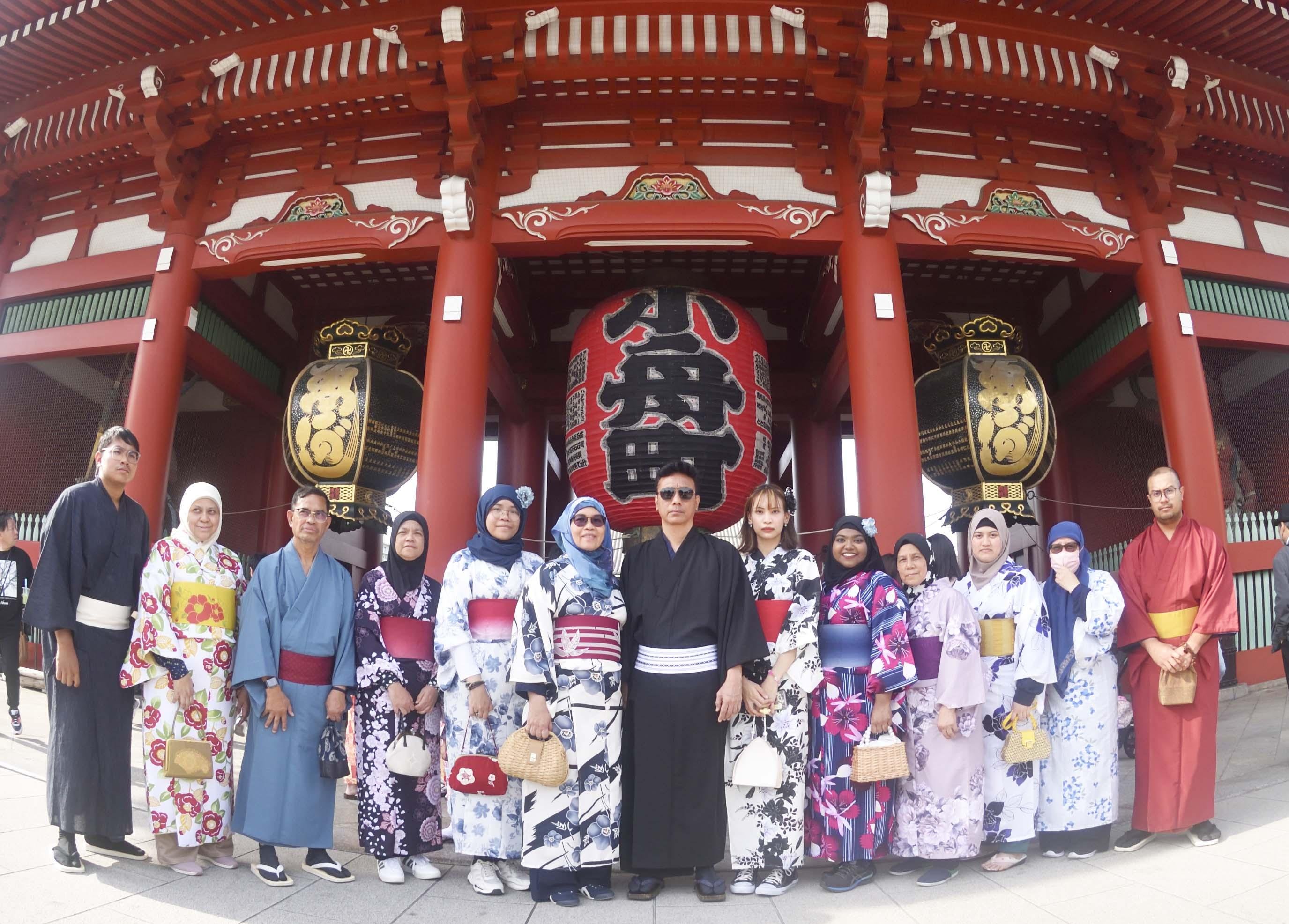
Sensoji, the Nakamise approach and the back streets behind it, which is where the photographs people actually keep get taken.
Book Your Experience
Check Availability & Prices
Select your preferred date and time. Instant confirmation — free cancellation up to 24 hours before departure.
Three Ways to Wear a Kimono in Tokyo
The dearest of these three costs more than seven times the cheapest, and across the full shelf the spread runs to about eleven times. Almost none of it is the garment. Here is what the money actually buys.
| Feature | OUR PICK Dressing, Hair and Matcha — Asakusa | Bare Rental — Walk Out and Go | Private Studio Photography |
|---|---|---|---|
| What You Pay | From about $57 per person | From about $31 per person | From about $229 per person |
| Rating | 4.9 / 5 from 269 verified reviews | 5.0 / 5 from 213 verified reviews | 5.0 / 5 from 51 verified reviews |
| Dressing Included | Yes, plus hair styling — 45 to 70 minutes in the shop | Yes, dressing included | Yes, plus a full hair and make-up makeover |
| Return Deadline | 17:30, shop open from 09:30 | 17:30 same day | Studio session, not a day rental |
| Next-Day Return | Available at extra cost | Available at extra cost | Not applicable |
| Photos | Private photo session available as a paid add-on | Free photo included | The photographs are the entire product |
| You Are Outside In It | Yes — Asakusa, for the rest of your window | Yes — Asakusa, for the rest of your window | No. This one happens in a studio |
| Upgrades That Cost Extra | Lace, silk, haori hakama and furisode all extra | Premium garments extra | Luxury garments are the base plan here |
| Best For | A first kimono day where you want the hair done and someone to explain the tea | Anyone who wants the clothes and the streets and none of the extras | One set of photographs you will actually frame, weather irrelevant |
| Check Availability | See the Bare Rental | See the Studio Plan |
The Independent Guide
Renting a Kimono in Tokyo: the Clock, the Cost and the Question Everyone Asks First
What the price tiers actually buy, why the return deadline matters more than the booking time, and what Japanese institutions themselves say about visitors wearing kimono.
Most guides to renting a kimono in Tokyo describe the clothes. The clothes are the easy part — a professional dresses you, and they are very good at it.
What nobody tells you is that you are not renting a kimono for a day. You are renting it until a fixed deadline, and on the shelf below those deadlines run from 16:50 to 18:00 depending on which shop you walked into. One Asakusa operator states the trap outright: whatever time you reserve, the final return is 17:30. So a 13:00 booking does not give you a later evening. It gives you fewer hours, for the same money.
Subtract the 45 to 70 minutes it takes to dress you and set your hair, and an afternoon booking can leave you under three hours outside in the thing you came for.
Everything below follows from that, and where a figure comes from a shop’s own listing or a Japanese government source, we name it.
How much does it cost to rent a kimono in Tokyo?
Between about $20 and $57 for a normal rental day in Asakusa, and around $229 if you want a private studio shoot instead of a street. Across the whole shelf, including a Shibuya rental at $59, the spread from cheapest to dearest is about eleven times — and almost none of it is the garment.
What actually separates the tiers is hair. Dressing is included everywhere and always done for you. Hair styling is the upsell: Asakusa shops charge around ¥2,200 for it as a standalone, and a formal nihongami style runs to ¥7,500. Makeup is essentially never included. The Asakusa rental shops that publish a hair policy restrict styling to women — one says so outright, another lists its hair set as women only — which is most of why men’s plans sit lower.
The other reliable extra is the fabric. The headline price is the plainest garment in the shop; lace, silk, haori hakama and furisode all cost more, and the featured plan on this page says so in its own listing. Treat the advertised figure as the floor of a range, not a price.
Compare what each tier includes →
The return deadline is the actual product
Here is the part worth reading twice, because it is the difference between a good day and an expensive hour.
Every shop on this shelf that publishes a deadline publishes one fixed deadline, not a duration. The earliest is 16:50. Three sit at 17:30. The latest is 18:00. Elsewhere in Asakusa, 17:00 is common and the last dressing appointment is typically 16:00.
Three consequences, in order of how much they cost people:
Book the first slot of the day. The deadline does not move for you, so every hour you delay arriving is an hour deleted from the end. This is the single highest-value decision on the page and it costs nothing.
Some shops run a two-tier return. At least one Asakusa operator sets the deadline by arrival: come in between 9:00 and 12:00 and you are back by 16:30; come after noon and you get 17:30. That is the opposite of what most people assume, so confirm your shop’s rule rather than reasoning from this one.
Late fees are steep and charged per person. One Asakusa group charges ¥1,000 per person for every 10 minutes, and words it as applying if you are even a minute over. For a family of four that is ¥4,000 per ten minutes. Build in the walk back.
If your plan is an evening somewhere in a kimono, the thing you want is next-day return — offered by four of the thirteen plans here, which is half the day rentals among them, usually for a small extra fee. Two of the others point the other way, asking for return within business hours or charging an extension. Asakusa shop listings outside this shelf put the fee around ¥1,100 to ¥2,500. It is the only version of this that buys you a real evening.
Can a foreigner wear a kimono in Japan?
Yes — and the clearest evidence is not an opinion piece, it is what Japanese institutions actually do and fund.
The Ministry of Economy, Trade and Industry convened a formal kimono-promotion study group in 2015 whose published proposals include disseminating kimono domestically and abroad; its standing council still meets, with the chairs of the kimono trade associations at the table. The national tourism organisation markets kimono-wearing to inbound visitors across its multilingual guides. Kyoto Prefecture, Kyoto City and the Nishijin weavers’ and Kyō-yūzen associations jointly run a pass that gives anyone in kimono discounted entry and perks at around 250 venues — with no nationality condition, and rented kimono explicitly included.
The detail we find most persuasive is the origin story of the national kimono promotion body, founded in 1966: it formed after visitors to the 1964 Tokyo Olympics asked why, if kimono was Japan’s national dress, they saw almost nobody wearing one.
It is also worth knowing where the famous controversies happened. The Boston museum protest of 2015, the Karlie Kloss shoot, the Kardashian shapewear naming — all three occurred outside Japan, and in the Boston case counter-protesters identifying as Japanese opposed the protest, over a try-on event that had already run successfully at three Japanese museums.
There is real friction in Japan about kimono. It is just not about you. It is about kimono police — self-appointed enforcers who berate other Japanese people over collar and obi rules, a problem METI’s own council treated as a barrier to the craft’s survival. And it is about visitor behaviour in Gion: trespass and photographing people without asking. Those are worth taking seriously in a way that wearing the clothes is not.
The full evidence, including the survey data and what it does and does not show, is here.
One thing we will not tell you: that renting saves the craft
You will read that tourist rentals are keeping kimono alive. We went looking for the numbers and they do not support it, so we are not going to repeat it.
Japanese kimono retail peaked at about ¥1.8 trillion in 1981. The most recent figure is ¥203 billion, down again for a second consecutive year — a fall of roughly 88%. Nishijin weaving recorded ¥16.9 billion in 2023, its lowest since records began in 1975, in a year when inbound tourist spending set an all-time record. Kyoto’s yūzen dyeing has fallen to about 1.3% of its 1971 output.
Those declines ran straight through the tourism booms. Rental stock is largely synthetic, and we found no evidence that rental revenue reaches weavers or dyers — the trade itself has historically regarded rental as a separate and lesser business. The rental market as a whole has shrunk too, from about ¥70 billion to ¥54.5 billion — even as its share of a shrinking market grew, from roughly 13% to 21%.
And a trade-press estimate puts it in proportion: at many Kyoto shops in season, the majority of rental customers are reported to be Japanese rather than foreign visitors — one industry write-up puts it near 70%. This was never mainly a tourist industry.
Wear the kimono because you want to, and because the people who make the policy would like you to. Just do not tell yourself it is philanthropy.
Yukata or kimono, and does the month decide?
A kimono is lined and worn year-round. A yukata is unlined, cotton, lighter and belongs to summer. Tokyo shops swap stock seasonally and most offer yukata roughly June to September. One shop on this shelf puts it plainly in its own listing and lets you upgrade from a yukata plan to a kimono plan for a fee, which is the useful version of the answer.
Renting a yukata in December is not forbidden so much as cold and slightly out of season, in a country where seasonal dress is noticed.
When to go, and what the calendar really does
Cherry blossom in Tokyo opened on 19 March 2026 and hit full bloom on 28 March. That is the useful pair of dates, and it comes with a warning: the record spread of opening dates is 28 days, from 14 March to 11 April. Booking a kimono day around blossom more than about six weeks ahead is a gamble on the weather, not a plan.
Autumn is later than most visitors expect. Tokyo’s maple-colour normal is 28 November — later than people assume, though earlier than Kyoto’s 5 December.
One widespread claim we can correct: most Asakusa shops do not charge more in peak season. We checked several that publish no seasonal tier at all. Two do operate date-based surcharges, and in one case the summer fireworks surcharges are larger and more frequent than the cherry-blossom ones. What actually binds in peak season is availability, not price. Book early because the slots go, not because the price moves.
The one thing you cannot have
There are on the order of fifty or more kimono rental shops in Asakusa — a private directory names and numbers past fifty, with addresses and hours. We flag it as a directory count rather than an official one deliberately: neither the ward office nor the local tourism federation publishes a figure, and we checked both.
Asakusa is the cluster. Elsewhere in Tokyo the national chains keep single shops rather than clusters — Ginza and Azabu-juban each have one, and Ginza’s is a different product anyway, formal wear at ¥20,000–30,000 against ¥3,000–6,000 here. Whether Harajuku, Shibuya and Shinjuku have any real rental presence we could not establish either way, so we are not going to claim they are empty.
The genuine second option is Kawagoe, the Edo-era merchant town about half an hour out in Saitama, which has its own rental shops and its own streetscape. If you want the period-street photographs without the crush, that is the honest alternative rather than a curiosity.
Which means the competition is real, the English is good, and — the part that matters most — you step out of the shop already standing in the setting. None of your fixed window goes on travel.
The catch is the clock again, and it is worth knowing before you plan a day around a photograph.
Sensoji’s grounds are open 24 hours, and are genuinely quiet from about 07:00 to 09:00. The main hall opens at 6:00, or 6:30 from October to March, and the Nakamise shops do not open until 9:00 to 11:00, and that gap is exactly why the famous photographs of an empty Kaminarimon exist.
No kimono shop is open then. The earliest dressing appointments start around 9:00 to 9:30, and with 45 to 70 minutes to dress you are outside at 10:00 at the very best — which is when the Nakamise becomes, in one Japanese description, too crowded to move through. Peak runs 10:00 to 15:00, and an Asakusa resident writer reports heavy crowds by 10am on weekdays.
So you can have the empty temple, or you can have the kimono. Not both on one morning. If the photograph matters more, go at dawn in your own clothes and book the kimono for another day — and when you do wear it, walk the lanes west and north of the temple rather than the main approach.
For scale: Taito ward recorded 41.2 million visitors in 2024, a record, with 6.4 million of them foreign. But the ward’s own series contains a correction to the story everyone tells about Asakusa. Foreign visitors peaked at 9.53 million in 2018 and were still only 6.4 million in 2024 — so the 2024 record is driven by Japanese visitors, not by inbound tourism. “It is all foreign tourists now” is wrong on the ward’s own numbers.
One more figure explains why it feels worse than 41 million a year sounds: only 5.3 million of those visitors stayed overnight. It is overwhelmingly a day-trip destination, so the whole volume compresses into daylight hours and into one corridor.
A finding worth knowing before you compare prices
One Asakusa operator group advertises its headline prices as a residents-only discount — its own wording restricts the displayed rate to people living in Japan. A visitor pays the higher list price, and in Kyoto the same group suspends the discount on November weekends.
We checked six other Asakusa shops and none of them prices by residency, so this is one operator group rather than an industry norm. It is worth a moment’s attention when a price looks unusually low next to everything else: read what the figure is conditioned on. The plans booked through the platform on this page are priced in dollars with no residency condition.
Prices, ratings and review counts come from the booking platform and move. Shop-published figures — dressing times, return deadlines, late fees — are as listed by the operators in September 2026; deadlines in particular vary by shop and season, so confirm yours at booking.
Guest Reviews
What Visitors Say
4.9/5
from 269 verified guests
"We were so happy with our Kimono and Tea ceremony. Highly recommend this. We wore our Kimonos all over the city. Great pictures and great time!"
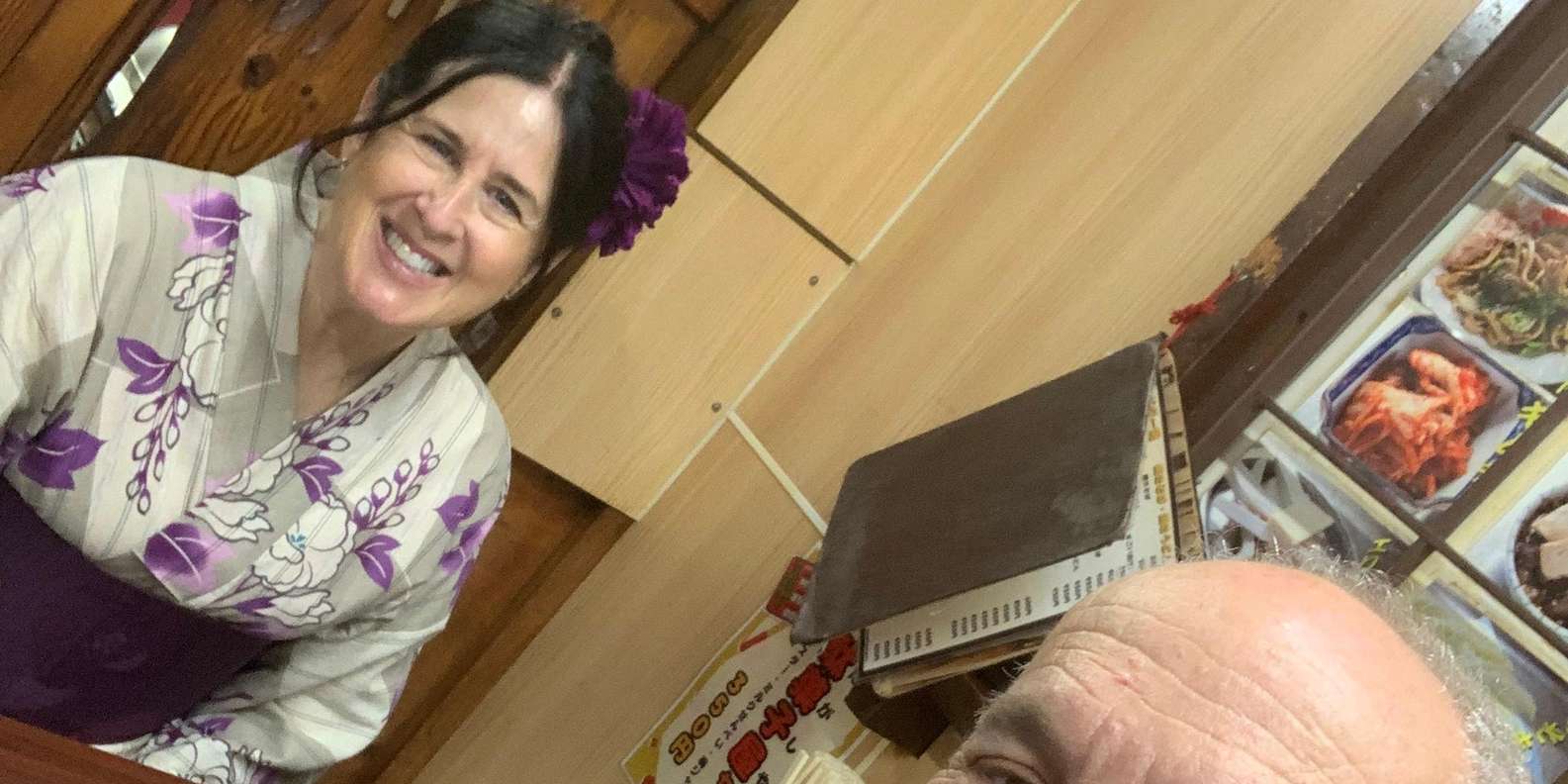
"I’d highly suggest this experience! My daughter and I had such a wonderful time. We felt warmly welcomed from the very beginning. The tea ceremony was both informative and delicious. Choosing a kimono and accessories was a blast. Plus, booking a photo session with our package was fantastic. It was awesome walking around in our kimonos and snapping photos."
"It was excellent. The process was proper and well done. Learning about the ceremony was also so rewarding. Everyone here was sweet would do this again!"
"Beautiful, everything and everyone was so nice and pleasant"
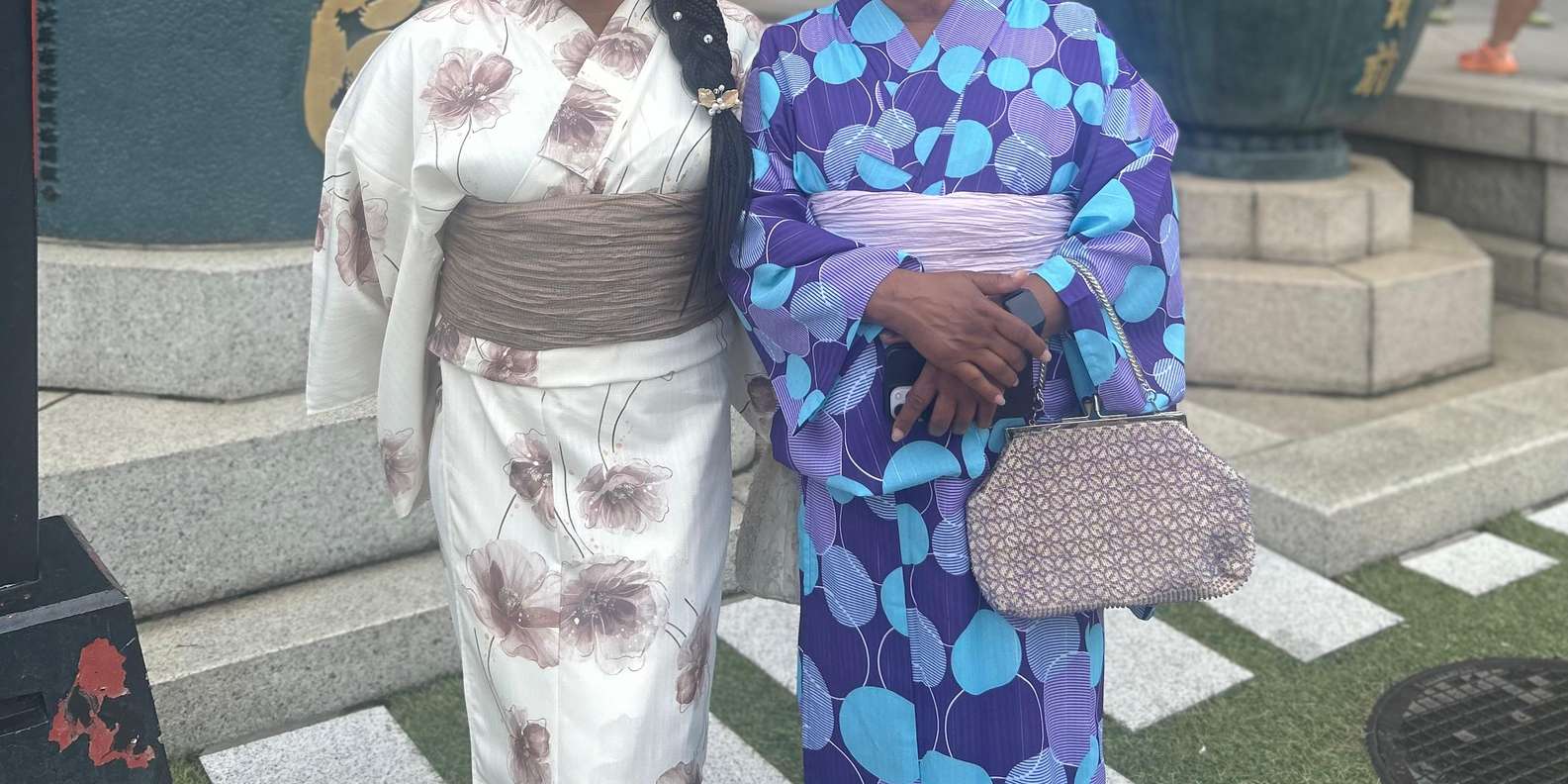
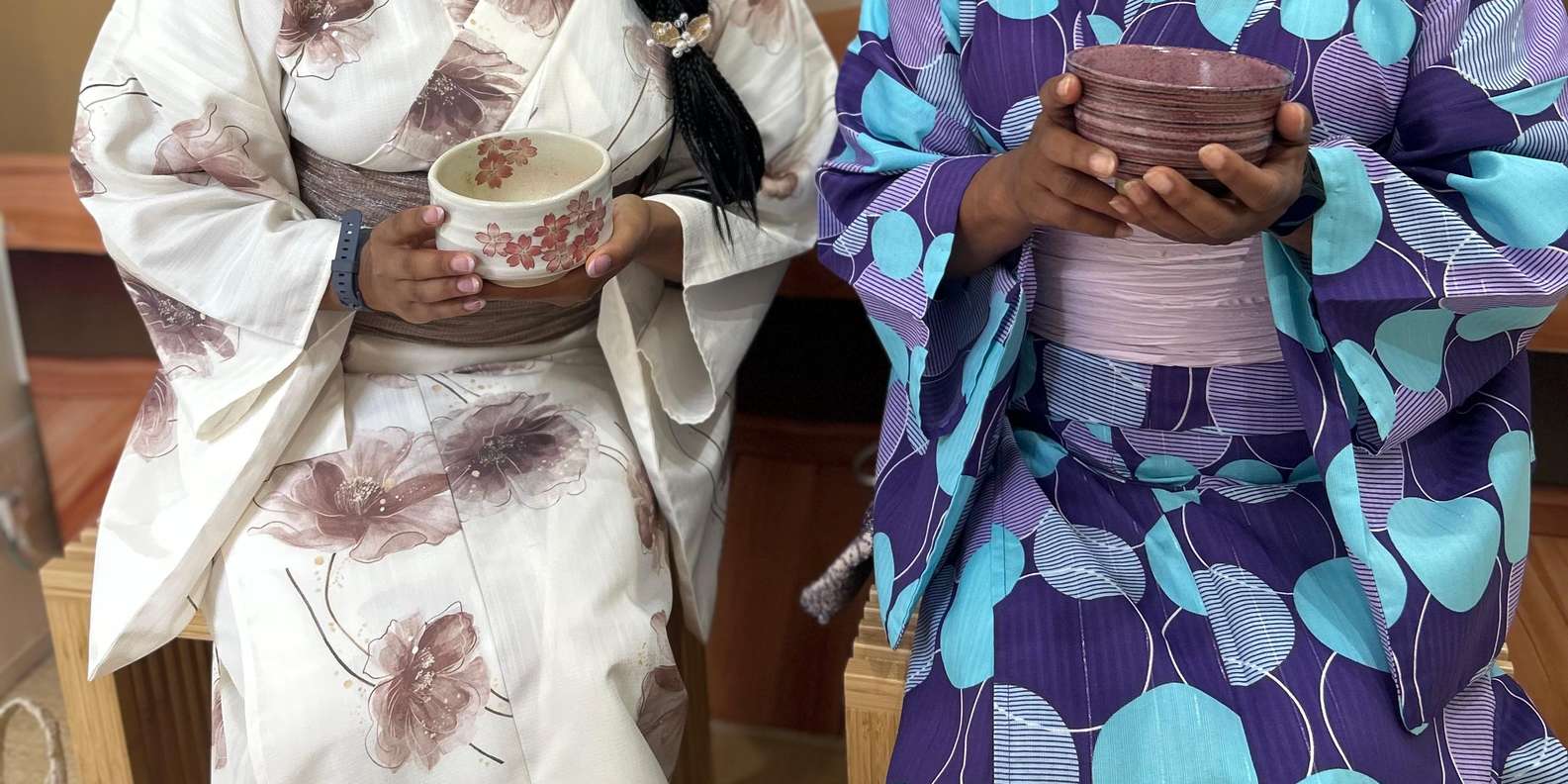
"The hosts were extremely helpful selecting Kimono and accessories. The photoshoot was amazing. So many great photos. Would highly recommend this for everyone to experience at least once"
"It was excellent, staff were lovely the nicest people i ever met !!!"
"Absolutely amazing from beginning to end. The girls were so friendly and helpful and gentleman who showed how to do the proper matcha tea ceremony was terrific . So loved the whole ritual and means of respect. Walking around in the kimono was fabulous. I definitely recommend 100%. Thank you so much everyone."
Read all 269 verified reviews
See All ReviewsDressing, Hair and Matcha, Two Minutes from Kaminarimon
Dressing, hair styling and a matcha lesson, two minutes from the Kaminarimon gate, with next-day return available at extra cost. Rated 4.9/5 by 269 verified guests, from about $57, with free cancellation. Starting from $57 per person.
Check Availability & BookCan't Make These Dates?
Browse More Available Options
Find a tour that fits your schedule — all with instant confirmation and free cancellation.
Kimono Rental Tokyo FAQ
The questions people actually type into Google before booking — answered in the first sentence, explained in the ones after.
Between about $20 and $57 for a normal rental day in Asakusa, and around $229 for a private studio shoot. Across the whole shelf, including a Shibuya rental at $59, the spread is roughly elevenfold — and almost none of it is the garment. What separates the tiers is hair styling: dressing is included everywhere and always done for you by a professional, while hair is the upsell — Asakusa shops charge around ¥2,200 for it standalone, and a formal nihongami style runs to about ¥7,500. Makeup is essentially never included. Men's plans cost less largely because the shops that publish a hair policy restrict styling to women. The other dependable extra is fabric: the advertised price buys the plainest garment in the shop, and lace, silk, haori hakama and furisode all cost more — the plan featured on this page says exactly that in its own listing. Treat any headline figure as the floor of a range.
Yes, and the strongest evidence is not opinion — it is what Japanese institutions fund and promote. Japan's Ministry of Economy, Trade and Industry ran a formal kimono-promotion study group whose published proposals include spreading kimono domestically and abroad, and has kept a standing council going since 2015 with the kimono trade associations at the table. The national tourism organisation markets kimono-wearing to inbound visitors in nine languages. Kyoto Prefecture, Kyoto City and the Nishijin weavers' and Kyō-yūzen associations jointly run a pass giving anyone in kimono discounted entry and perks at around 250 venues, with no nationality condition and rented kimono explicitly included. The national kimono promotion body was founded in 1966 partly because visitors to the 1964 Tokyo Olympics asked why they saw so few people wearing one. The famous controversies — Boston in 2015, and two celebrity episodes — all happened outside Japan, and in the Boston case counter-protesters identifying as Japanese opposed the protest. The full evidence, including what the survey data does and does not show, is here.
At a fixed deadline, not after a fixed number of hours — and on this shelf those deadlines run from 16:50 to 18:00. This is the single most useful thing to understand before booking. One Asakusa shop words it plainly: whatever time you reserve, the final return is 17:30. So a 13:00 booking does not buy you a later evening, it just deletes hours from your day at the same price. Elsewhere in Asakusa 17:00 is common and the last dressing appointment is typically around 16:00. Some shops run a two-tier system where the deadline depends on arrival — come in before noon and you may be back by 16:30, come after and you get 17:30 — which is the opposite of what most people assume, so confirm your own shop's rule. Late fees are steep and charged per person: one Asakusa group bills ¥1,000 per person per 10 minutes and states it applies if you are even a minute over. If you want an evening in kimono, the answer is next-day return, offered by four of the thirteen plans here — half the day rentals — usually for a small extra fee; Asakusa listings elsewhere put it around ¥1,100 to ¥2,500.
Budget 45 to 70 minutes from walking in to walking out, if your plan includes hair. Two operators on this shelf publish exactly that range, covering reception, dressing and hair styling. A third quotes about 20 minutes for the dressing step by itself. The 45-to-70 range is the whole visit — reception, choosing a garment, the queue, dressing and hair — which is why it is so much larger; one Shibuya shop puts its own dressing step at about 15 minutes, while another listing here says a kimono takes about 30. Men are generally quicker, largely because the shops that publish a hair policy do not style men's hair. Off-peak this compresses toward 45 minutes; in cherry-blossom season expect the upper end or worse. The important consequence: that hour comes out of your window, not the shop's, because the return deadline does not move.
A kimono is lined and worn year-round; a yukata is unlined cotton, lighter, more casual, and belongs to summer. One shop on this shelf explains it in its own listing and lets you switch from a yukata plan to a kimono plan for an extra fee, which is the practical version of the answer. Tokyo shops swap their stock seasonally, and most Asakusa shops offer yukata roughly June to September. Renting a yukata in December is not forbidden, but it is cold and visibly out of season in a country where seasonal dress is noticed. If you are visiting in summer and want the lighter, cheaper, easier-to-wear option, the yukata is genuinely the right choice rather than a downgrade.
It is where the volume is, and for a first kimono day that is a real advantage rather than a compromise. The density of shops around Sensoji means competition on price, English-speaking staff, and — the part that matters most — you are already standing in the setting the moment you step outside, so none of your fixed window is spent travelling. Other clusters exist, and this shelf carries Shibuya plans and studio options elsewhere in the city. The one caution about Asakusa is crowding: the Nakamise approach to Sensoji is the single busiest stretch in the district and it is where most people spend their rented hour. The lanes immediately west and north of the temple are quieter and photograph better, which is largely what you are paying for if you booked a plan with a photographer.
Mostly no — and this is a widely repeated claim that does not survive checking. Several Asakusa shops publish no seasonal pricing tier at all. Two do operate date-based surcharges, and in one of those cases the summer fireworks surcharges are both larger and more frequent than the cherry-blossom ones. What actually binds in peak season is availability, not price — the slots go, and the dressing queue lengthens. So book early because you will otherwise not get a time, rather than because you expect the rate to climb. Worth knowing if you are planning around the blossom itself: Tokyo opened on 19 March 2026 and reached full bloom on 28 March, but the record spread of opening dates is 28 days, from 14 March to 11 April. Committing to a blossom kimono day more than about six weeks out is a bet on the weather.
Not on a rental. A professional dresses you at every shop we checked, so the one rule that matters is handled for you. The rule itself: the collar wraps right panel against the body first, left panel on top, for men and women alike. The reverse — left over right — is how the dead are dressed, which is why it is taken seriously. Where it genuinely catches visitors is dressing yourself in a hotel or ryokan yukata, with nobody checking. There is also a trap that is not a mistake at all: a phone's selfie camera mirrors the image, so a correctly worn kimono appears reversed in your own photo, and people get publicly 'corrected' over a flip that never happened. Check the original, not the preview.
The numbers say no, and we would rather tell you that than repeat a comfortable line. Japanese kimono retail peaked at about ¥1.8 trillion in 1981; the most recent figure is about ¥203 billion, down for a second consecutive year — a fall of roughly 88%. Nishijin weaving recorded ¥16.9 billion in 2023, its lowest since records began in 1975, in a year when inbound tourist spending set an all-time record. Kyoto's yūzen dyeing has fallen to roughly 1.3% of its 1971 output. Those declines ran straight through the tourism booms. The rental market itself has also shrunk, from about ¥70 billion to ¥54.5 billion, even as its share of a shrinking market grew from roughly 13% to 21%. Rental stock is largely synthetic, and we found no evidence that rental revenue reaches weavers or dyers — the traditional trade has historically treated rental as a separate and lesser business. A trade-press estimate settles the framing: at many Kyoto shops in season the majority of rental customers are reported to be Japanese rather than foreign visitors. Wear it because you want to and because Japanese policymakers would like you to — not as philanthropy.
Check what the price is conditioned on — one Asakusa operator group advertises a residents-only rate. Its own wording restricts the displayed price to people living in Japan, so a visiting tourist pays the higher list price; the same group suspends the discount on November weekends in Kyoto. We checked six other Asakusa shops and none of them prices by residency, so this is one operator group rather than an industry norm — but it is enough to make a naive price comparison misleading. The other reasons a price looks low are more mundane and easier to spot: hair styling excluded, the plainest garment only, or a weekday-only rate. The plans bookable through this page are priced in dollars on the platform with no residency condition attached.
Yes, and it is consistently cheaper and faster. Men's dressing runs around 10 minutes against roughly 45 to 70 for a women's plan including hair, largely because no shop on this shelf or in the surrounding Asakusa market offers men's hair styling — that single omission accounts for most of the price difference. Men's options run from a plain kimono to haori hakama, the formal layered version with pleated trousers, which is an upgrade priced separately almost everywhere. Several plans on this shelf are explicitly couple- or family-friendly, and one states it is suitable for children and wheelchair users. If you are booking for a group, note that the dressing time is per person and the return deadline is not — a family of four all need dressing inside the same fixed window.
You supply only the innermost layer, and the shops genuinely disagree about the bra — so here is both positions. A rental gives you a hadagi under-slip and a full-length nagajuban under-kimono on top of your own underwear, so most plans say you can arrive empty-handed. On the bra: one large chain advises avoiding one, for mechanical reasons rather than modesty — bust volume forces the collar overlap open, and the chest cords are tied at the underbust on both the nagajuban and the kimono, landing exactly where an underwire sits. But that guidance is aimed at formal furisode wear, and three Asakusa rental shops say ordinary underwear is fine, one stating outright that no rule requires a special kimono bra. No Asakusa tourist shop requires anything. The advice they all converge on: non-wire, no padding, no lace or embroidery lines, and pull removable pads out — the garment is built to make a straight cylinder, and your dresser will add one or two face towels to fill the waist. Two practical notes worth more than the rule: wear shallow-cut rather than high-waisted underwear, because high-waisted catches on the waist cord when you use the toilet, and pale kimono are see-through enough that underwear shows. The full layer-by-layer guide is here.
Yes, but the 175cm ceiling that circulates online is one shop's limit, not the market's. Asakusa shops publish different ceilings: one serving English-speaking customers goes to 185cm for women and 205cm for men, another stocks 3L for 185cm and above and calls it wearable over 190cm, while the commonly-quoted shop stops at about 175cm. Men over 180cm are a non-issue almost everywhere. Two better pieces of news: plus sizes carry no surcharge anywhere we looked, and at least one Tokyo specialist stocks 3L to 10L with hips to 130cm for around ¥5,000. Check each listing’s own restrictions all the same: two plans on this shelf, including the bare rental in the comparison above, publish a 120 kg (264 lb) weight cap. The real bottleneck is not the garment but the zori, which top out around 27cm at one shop and 28cm at another, with men's setta reaching 29 to 30.5cm — and the fix for that is simple, because several shops explicitly allow you to wear your own shoes instead. Boots under a kimono are a recognised Japanese look, not a compromise. If a shop asks you to message your height, weight and shoe size when booking, that is them checking stock before you fly, and it is worth answering accurately.
Shops do not cancel for rain and you cannot cancel free on the day — so the real decision point is the night before. One chain's street-wear terms charge 50% the day before and 100% on the day; another publishes an explicit clause refusing bad weather as grounds for cancellation. Check the forecast the previous evening and either move the booking or commit. Going anyway is not a disaster: at least one chain lends umbrellas free, and the covered Nakamise arcade and the temple halls carry you through a shower. On spills: no shop bans eating or drinking while you are out in the kimono — though three listings here do ask you not to bring food or drink into the shop itself — and an ordinary spill costs nothing — though note that eating while walking is banned on Nakamise-dori itself, jointly by the temple and the merchants, so stop and stand aside rather than grazing as you go. The charge is triggered objectively by multiple marks, or any single mark of 3cm or more, at roughly ¥7,000 for the kimono plus ¥500 for the obi. What voids the goodwill is oil, blood, tobacco burns, perfume and turning up drunk. Silk is a different order of risk — one set of terms charges a flat ¥20,000 plus ¥10,000 for the obi regardless of fault, which is the real price of that upgrade. Insurance runs about ¥330 to ¥1,100; for polyester it is a toss-up, for silk it is not.
No. This is an onsen problem, not a kimono problem. We read four shops' full terms of service, where the grounds for refusal are explicitly enumerated, and tattoos appear in none of them; one chain carries an affirmative anti-discrimination clause. Nobody will look and nobody will ask. The restriction that does matter, and that English-language guides miss almost entirely, is pregnancy — six of the thirteen plans here flag pregnancy as unsuitable — the featured one included — and Asakusa shops word it in their terms as an absolute refusal. The reason is obvious once stated: the kimono is held on by cords tied firmly at the waist and underbust. If that applies to you, you need to know at the booking stage rather than at the counter, and it is worth messaging the shop directly rather than relying on a listing.
It is worth it, with one honest condition: book the first slot of the day, or you are paying full price for a fraction of the experience. The value is genuinely high — for roughly the price of a museum ticket you get a professionally dressed garment, hair styling on most plans, and several hours in the one part of Tokyo that was built to be walked in something like it. What makes people feel cheated is almost never the clothes; it is arriving at 13:00, losing an hour to dressing, and discovering the shop closes at 16:50. The second most common complaint is comfort, and there is a lever for it: ask for a hanhaba obi, the narrower half-width belt, which one Asakusa shop describes as removing almost all of the constricted feeling people associate with kimono. Book early in the day, ask for the simpler obi, and the ratio changes completely.
Still have questions? Email us at info@kimonorentaltokyo.com